Back to All Episodes
Laura Muir on Building HR from Scratch With AI and a Lean Team
About this episode
Transcript
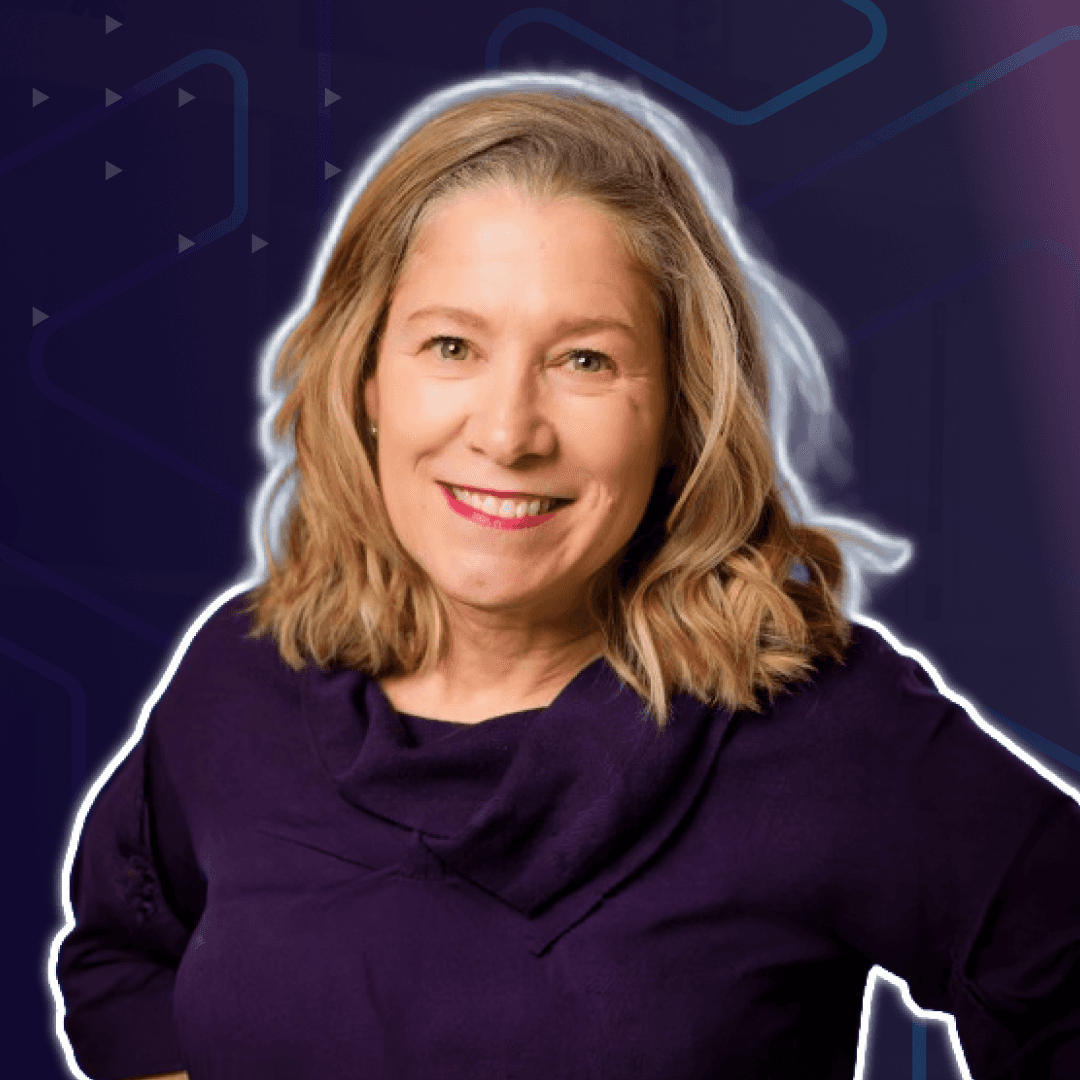
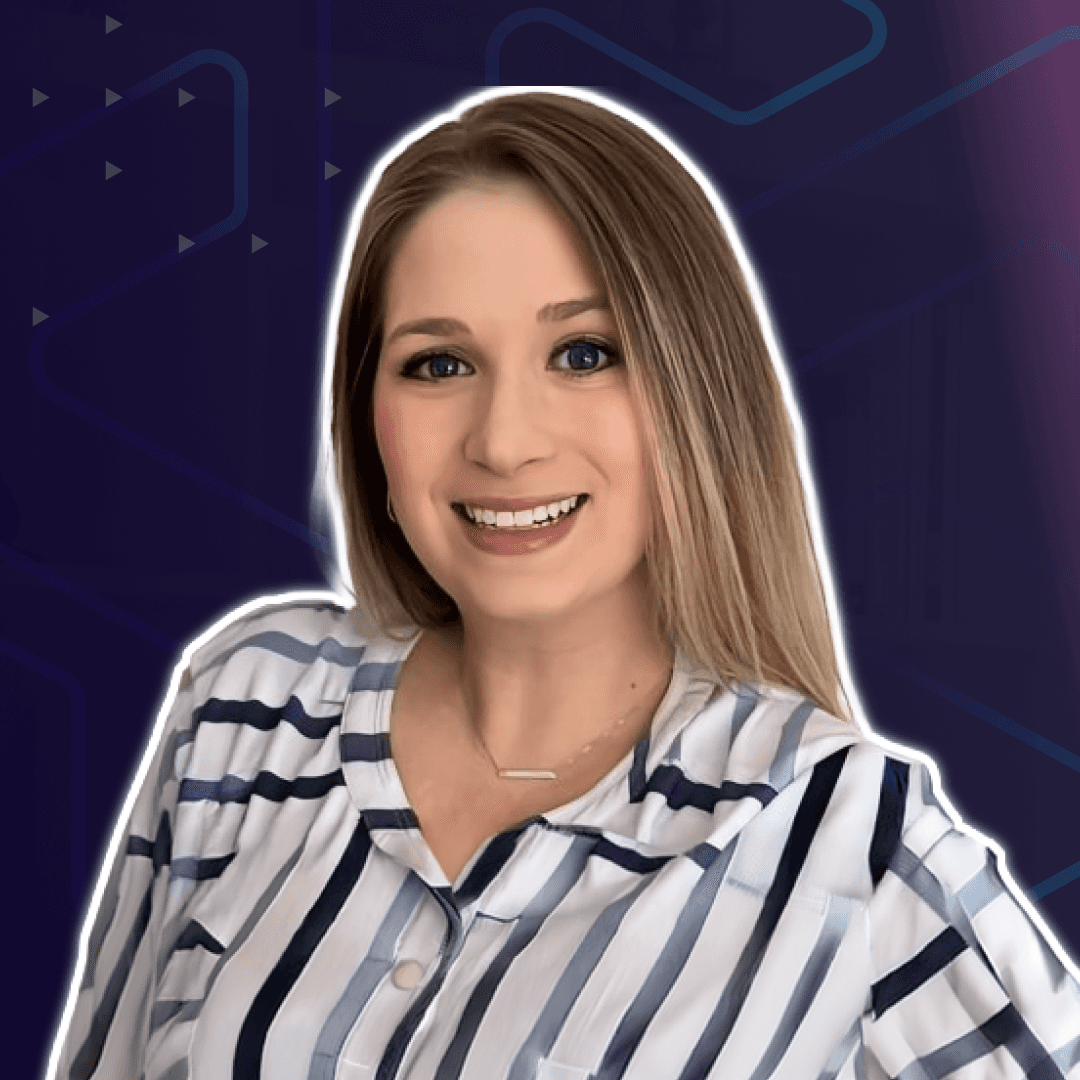
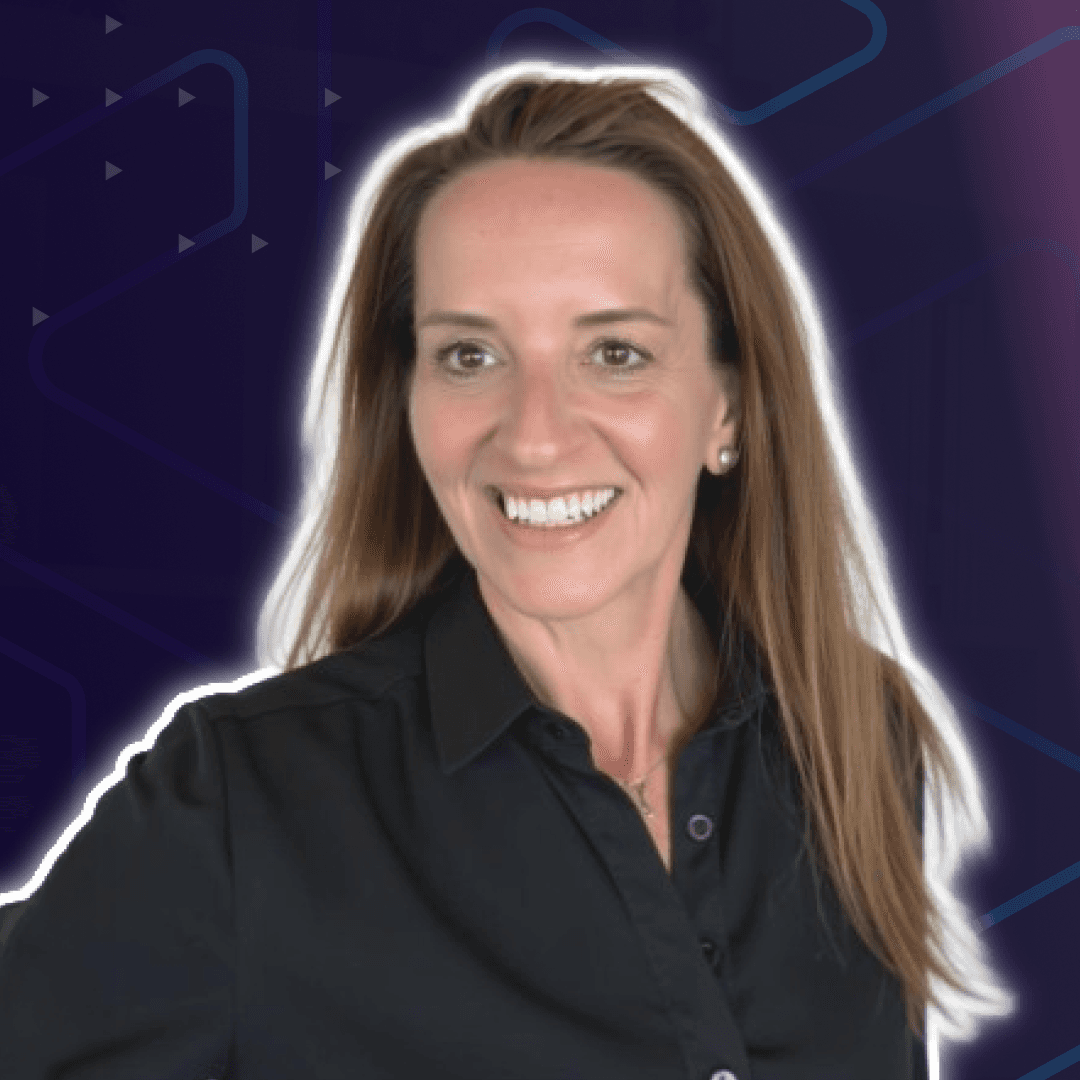
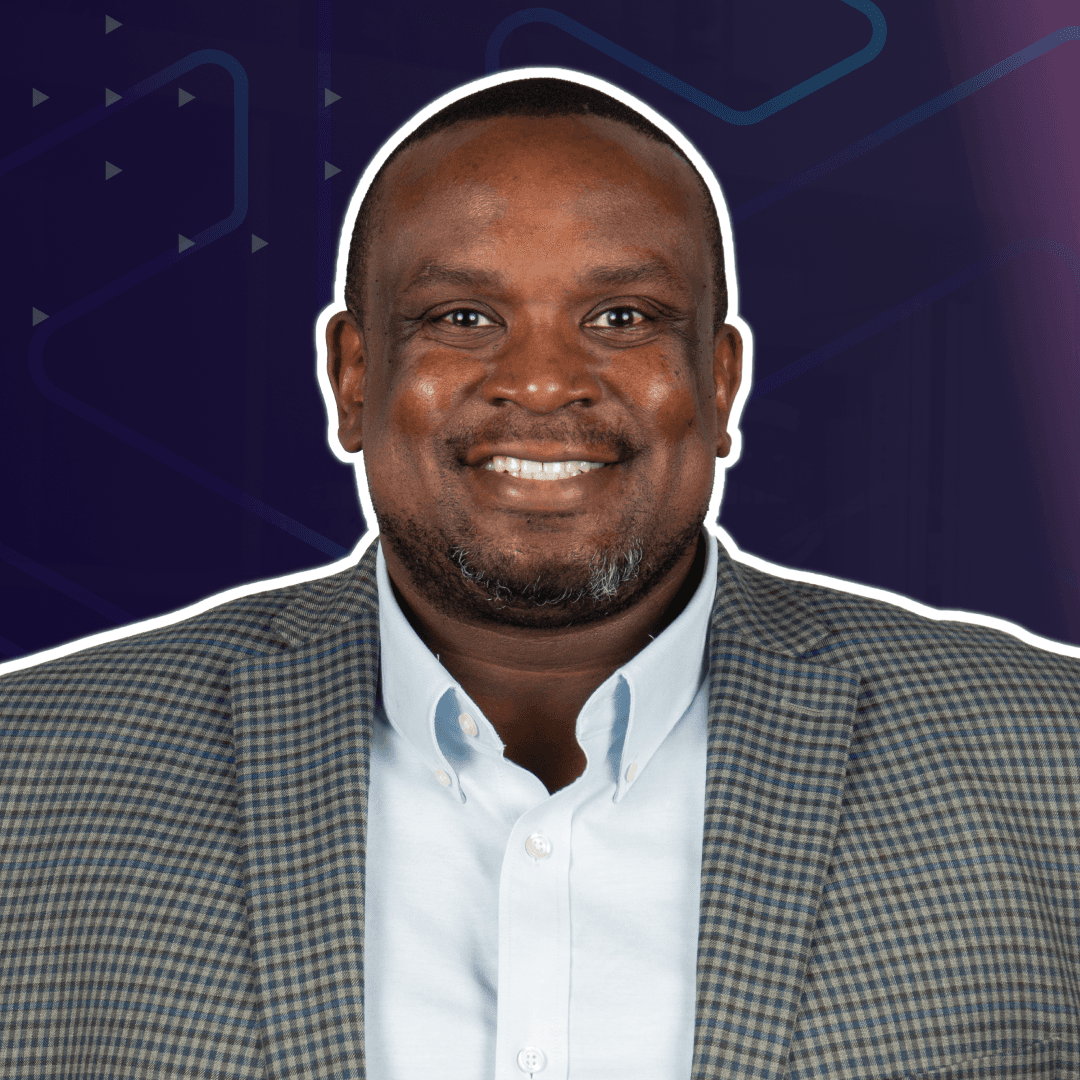
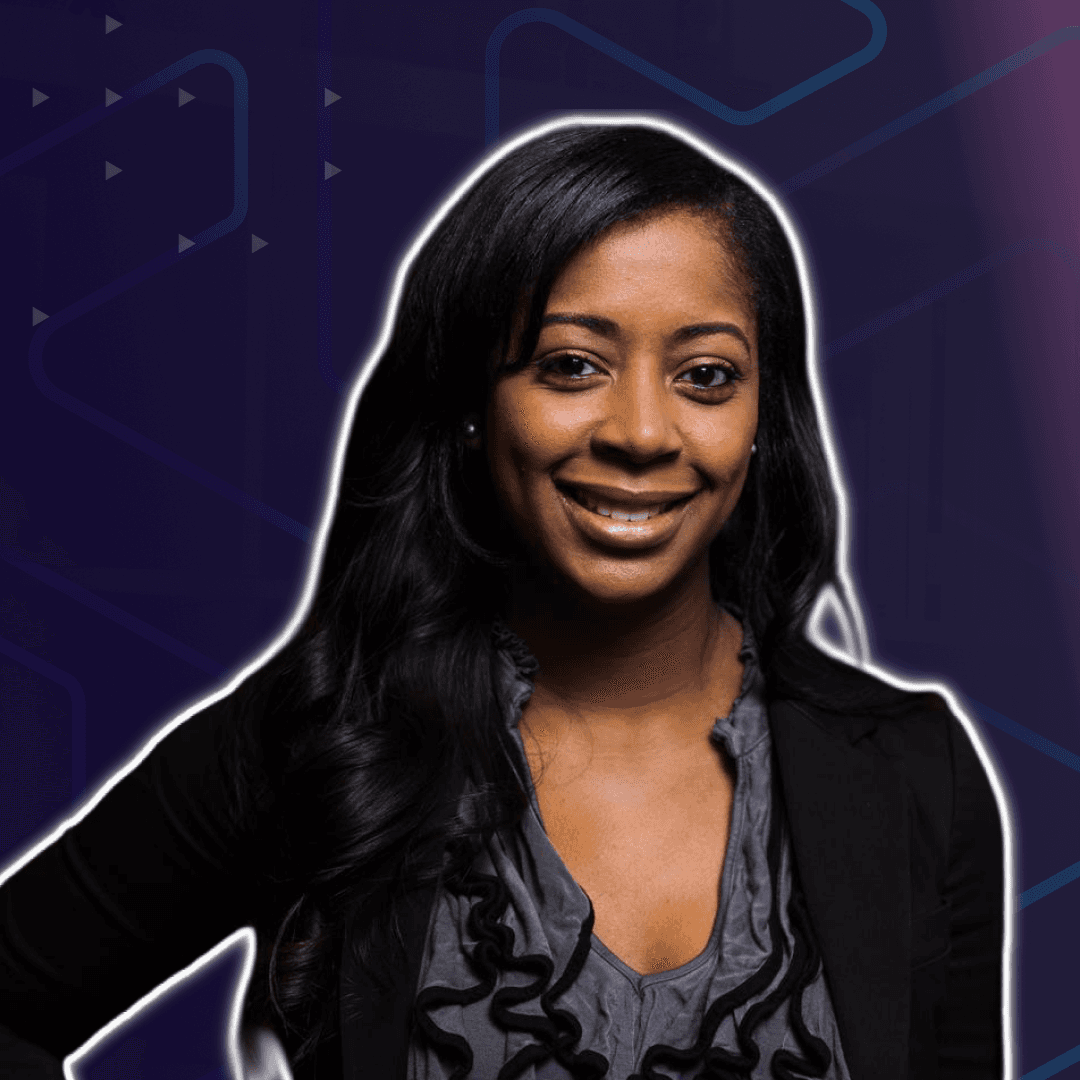
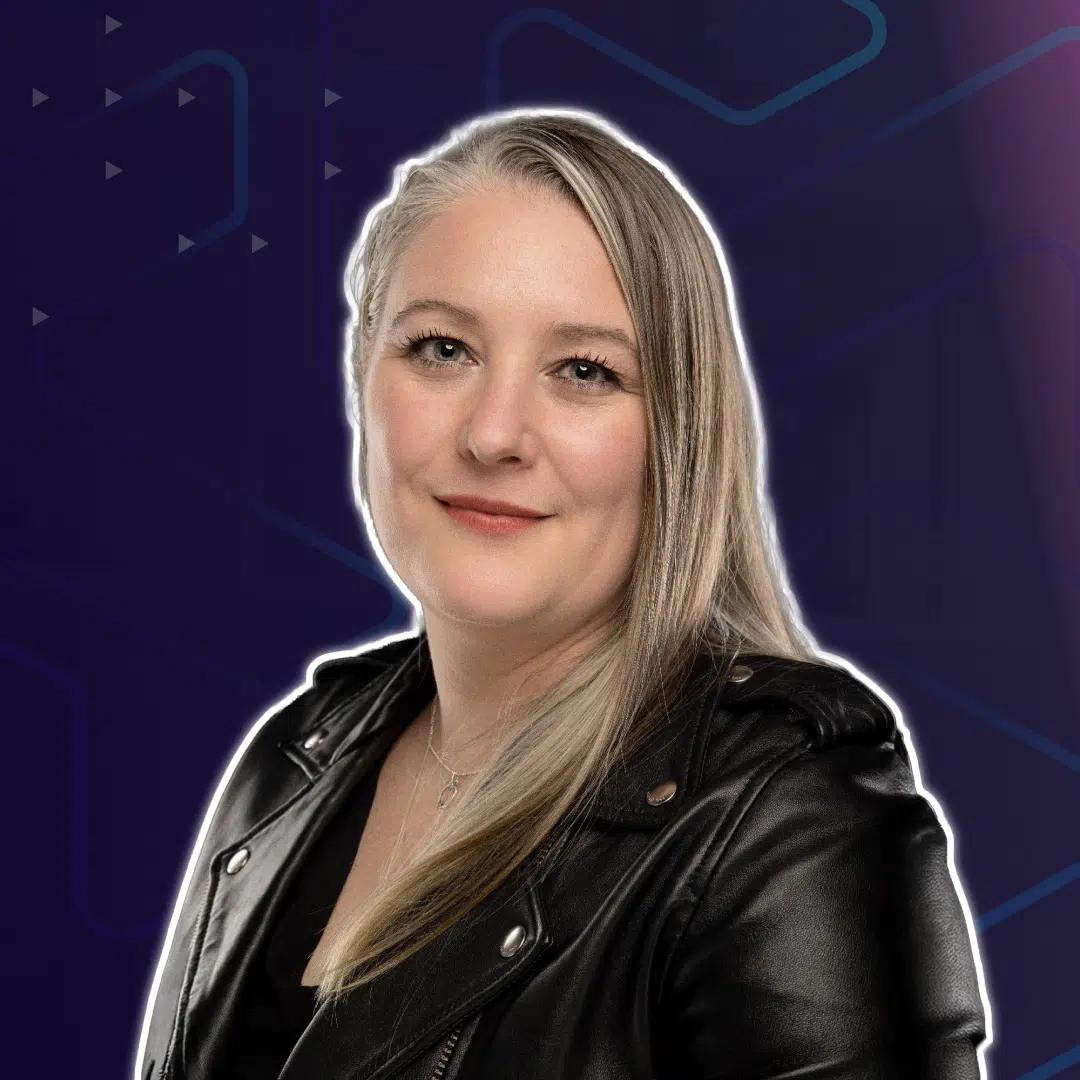
In this episode of the Future Proof HR podcast, Jim Kanichirayil sits down with Laura Muir, Chief Human Resource Officer at Polaris Transport, to talk about building HR infrastructure in a highly competitive transportation environment with a lean team, limited budget, and growing operational demands.
Laura shares how Polaris moved from a more informal, family-owned environment toward a more structured organization while still respecting the traditions, loyalty, and practical knowledge of long-tenured employees. She explains how transparency, leadership training, performance reviews, and employee trajectories helped the company create clearer growth paths without losing the culture that made the business work.
The conversation also gets practical about AI in HR. Laura explains how her team used tools like ChatGPT, Textio, and CodePro to build foundational job descriptions, support pay equity work, and give leaders a faster starting point for role clarity. She also shares the downside of AI in hiring, including candidates using AI-generated resumes that do not match their real experience, and how that changed Polaris's screening process.
For HR leaders working with small teams, tight budgets, and urgent business needs, this episode is a grounded look at using AI as a practical support layer, not a replacement for context, judgment, or leadership. Laura's experience shows why future-proofing HR often starts with building the basics, taking action, and improving the process as the organization grows.
Topics Discussed:
How Polaris is moving from a mom-and-pop structure to a more scalable HR operating model
Why tradition and long-tenured employees matter during organizational change
How transparency helped employees understand new skills and career expectations
Building employee trajectories through performance reviews and stretch roles
Using leadership training to help managers communicate during uncertainty
Why job descriptions became a priority for pay equity, compliance, and growth
How ChatGPT, Textio, and CodePro supported job description work for a lean HR team
Why AI-generated resumes forced Polaris to rethink candidate screening
How skilled trades hiring changes the way HR evaluates applicant quality
Building an employee skills repository to support workforce planning and retention
Why AI still needs business context, leader input, and human judgment
How execution helps HR teams learn faster than long planning cycles
If you are an HR leader trying to build better processes with limited resources, this episode offers a practical look at how AI can help a lean team move faster while still keeping people, context, and business needs at the center.
Additional Resources:
About the guest

Laura Muir