Back to All Episodes
Kellie Shotwell on AI and Automation Across the Talent Lifecycle
About this episode
Transcript
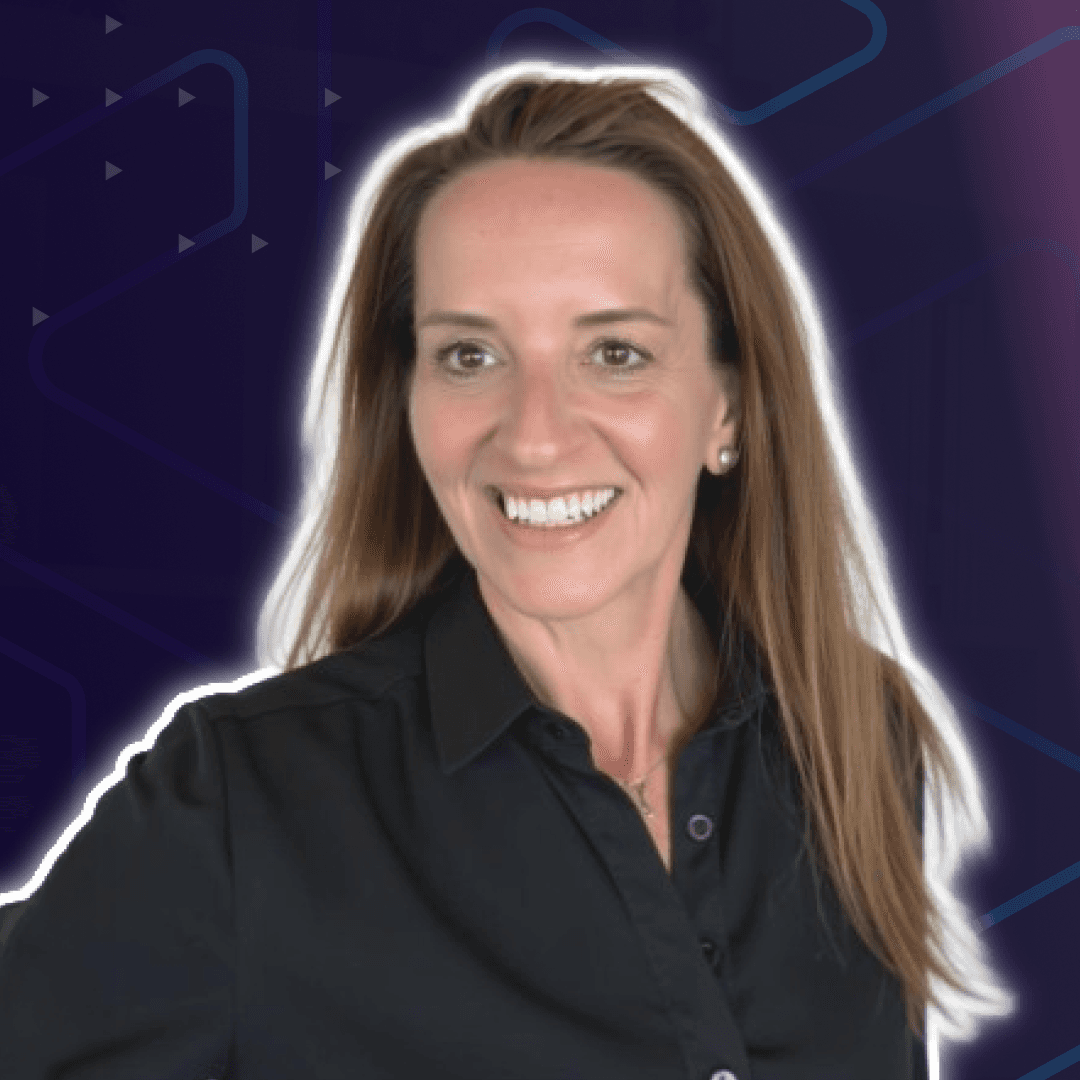
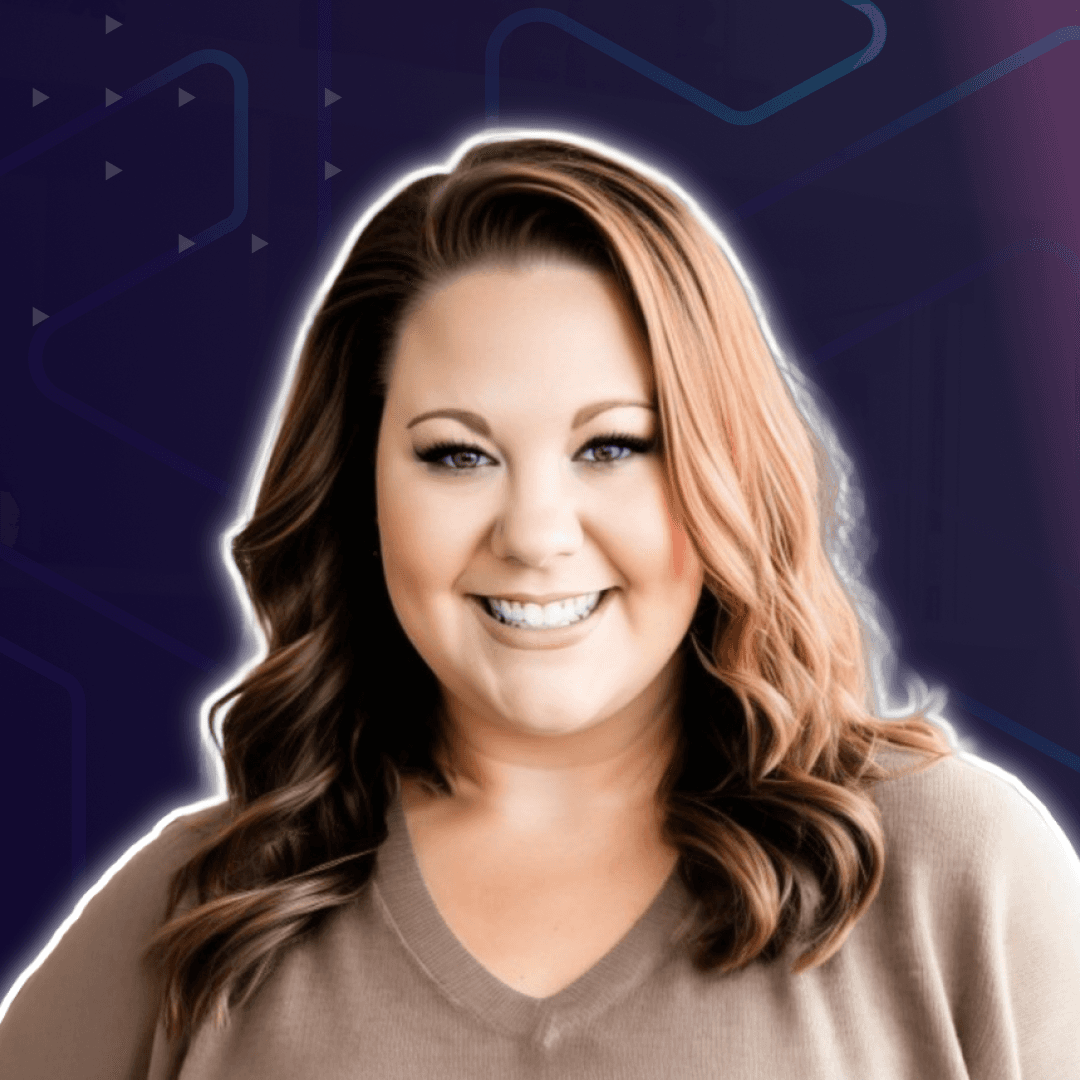
In this episode of the Future Proof HR podcast, Kellie Shotwell, VP of HR and Operations at SMS Group of Companies, talks about applying AI and automation across the candidate and employee lifecycle. Kellie shares how her team improved staffing operations by building smarter workflows into systems they already used rather than starting over with an entirely new technology stack.
The conversation focuses on a central tension for staffing and HR leaders: how to automate administrative work without making the candidate experience feel transactional. Kellie explains how SMS uses mobile-first onboarding, personalized workflows, automated scheduling, skill-based candidate routing, and ongoing employee check-ins while keeping one recruiter connected to each candidate throughout the hiring process.
Kellie also shares the operational results behind the approach. SMS reduced time to fill by roughly 75 percent, increased the rate at which candidates were hired by clients by 35 percent, extended assignment lengths by about 40 percent, and brought hospitality no-show rates below 2 percent. These gains came from faster communication, automated reminders, better use of existing candidate data, and fewer manual handoffs.
The episode closes with a practical approach to AI adoption. Start with repetitive administrative work and compliance-heavy processes, involve frontline employees in workflow design, introduce changes gradually, and preserve human judgment when evaluating candidates. AI should move the process forward, but it should not replace the relationship-building that helps candidates feel seen and supported.
Topics Discussed:
How to apply AI across both the candidate and employee lifecycle
Balancing high-volume hiring speed with a personalized candidate experience
Building mobile-first application, onboarding, and document workflows
Using AI to route applicants to better-fitting jobs and recruiters
Re-engaging passive candidates within an existing talent database
Automating 30-, 60-, and 90-day employee and client check-ins
Reducing manual work in payroll, tax documentation, and compliance reporting
Introducing AI workflows without eliminating recruiter ownership of relationships
How employee involvement and small pilots improve AI adoption
The impact of automation on time to fill, assignment length, hire-in rates, and no-shows
If you lead staffing, recruiting, HR operations, or talent acquisition and are trying to identify practical AI use cases, this episode offers a grounded model for automating repetitive work while preserving the human connection that candidates and employees value.
Additional Resources:
About the guest

Kellie Shotwell